|
|
|
The Question
What would you do if you had to build a high-performing team from scratch? |
|
|
 |
|
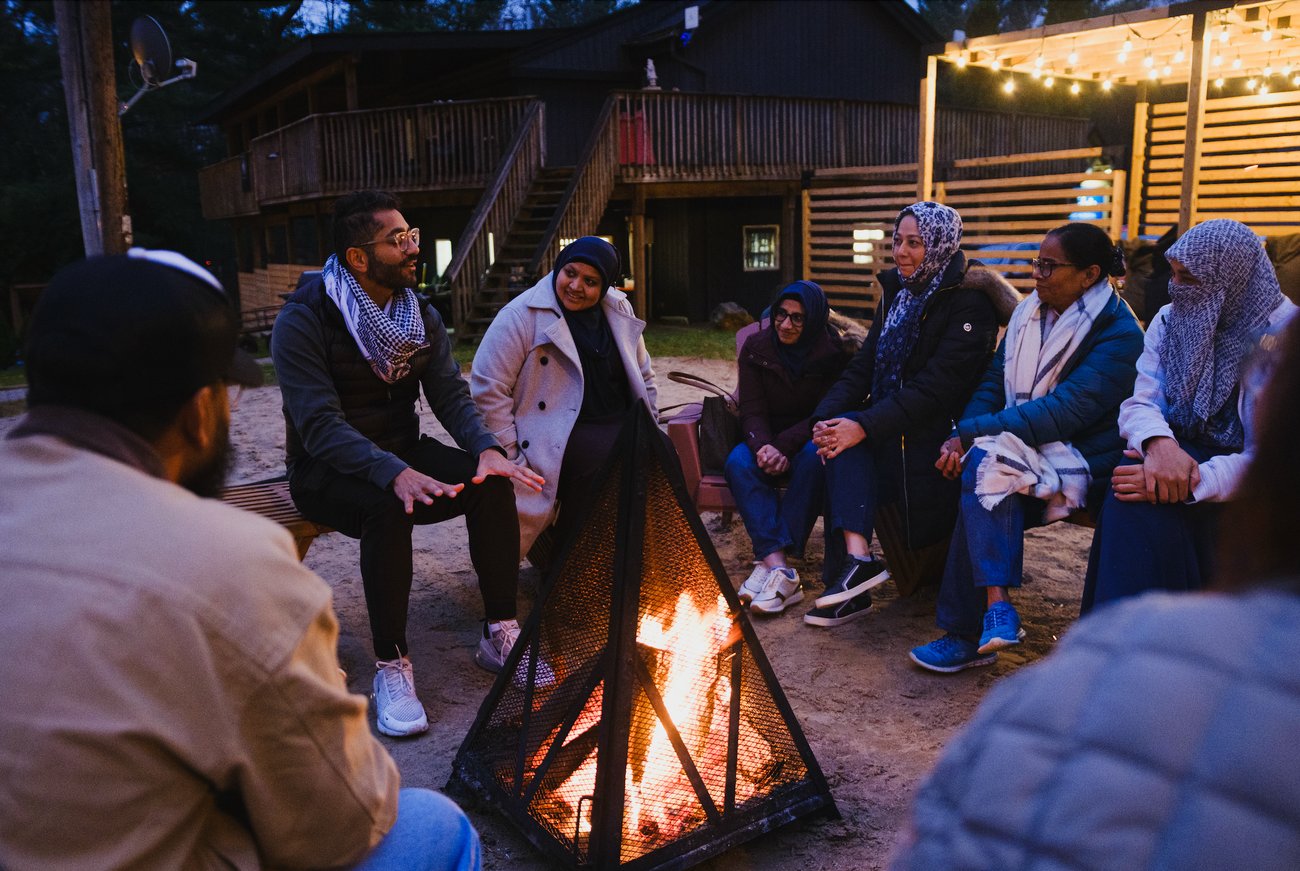
Most teams don’t start as high-performing. They stumble into habits, inherit bad systems, and learn to survive despite their culture rather than because of it. If you’ve ever stepped into a new leadership role, you’ve probably felt it: layers of mistrust, silos, or people just waiting for permission to do their jobs.
But imagine a reset. No baggage. No legacy drama. Just a blank canvas and a group of people ready to work together.
Would you do what most leaders do? Rush into setting goals, metrics, and timelines? Or would you step back and design the kind of environment where people actually want to show up, take risks, and deliver at their best?
Most leaders rush to strategy. They set ambitious goals, layer in KPIs, and start measuring output. But here’s the sting: strategy won’t save a weak culture. If the foundation isn’t there, the smartest plan won’t matter. The team won’t have the trust, courage, or speed to execute.
That’s the real test. Because the strongest teams aren’t built on strategy documents or clever org charts, they’re built on something deeper. |
|
|
|
The Research 🔍
|
 |
|
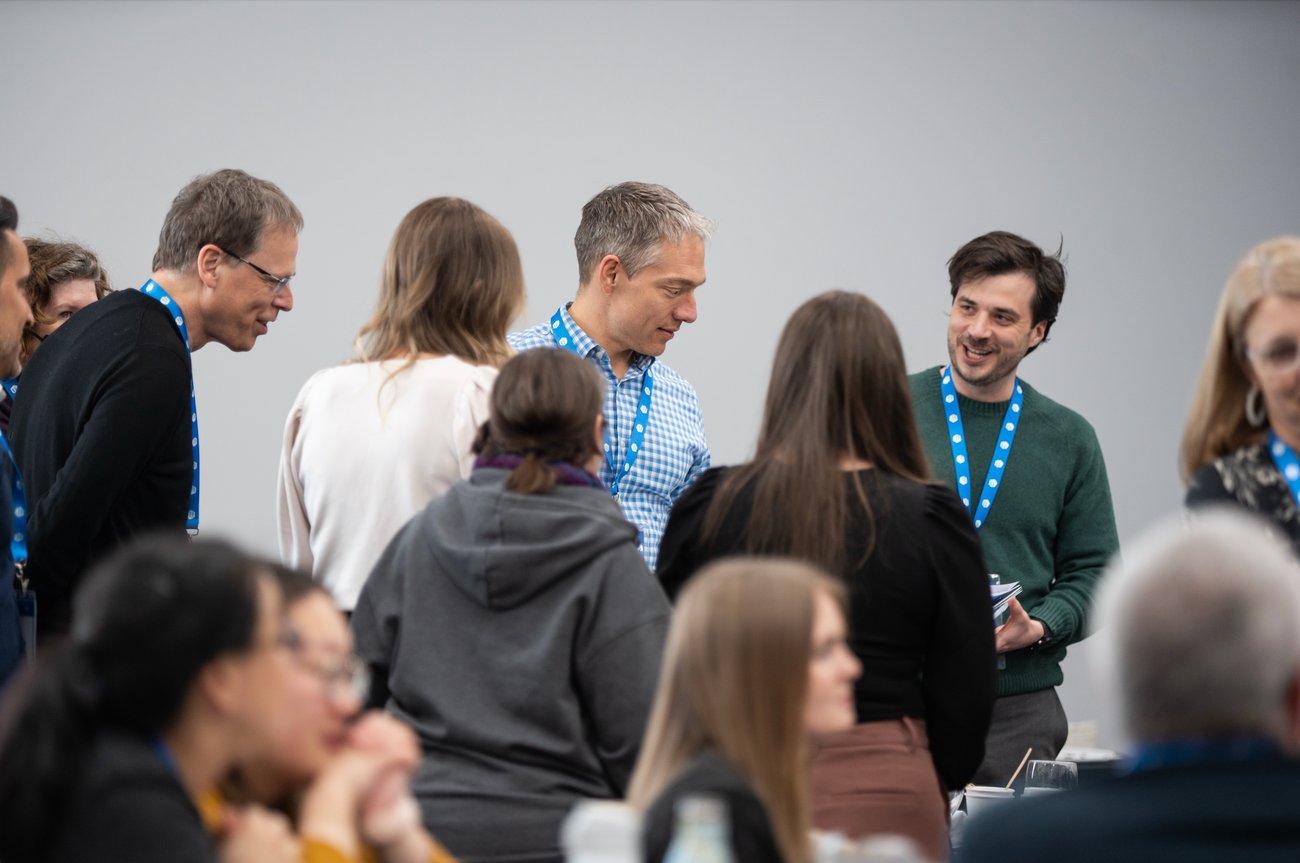
MIT’s Human Dynamics Lab studied hundreds of teams and found that the most successful ones didn’t differ in the skills of individual members, but in how they interacted. The best teams had equal participation in conversations, high levels of social sensitivity, and an energetic rhythm of engagement that kept everyone involved.
Harvard professor Amy Edmondson uncovered a similar truth in her research on hospital teams: the highest-performing groups reported more mistakes, not fewer, because people felt safe to speak up when errors occurred. That openness created trust, learning, and resilience.
Different studies. Same conclusion: it’s not the brilliance of individual players that drives results. It’s the conditions leaders create that enable people to contribute, take risks, and lead together. |
|
|
|
|
|
If I were starting a team from zero, I wouldn’t obsess over KPIs, hiring A-players only, or writing a perfect strategy deck. That’s where most leaders trip up; they build for outcomes instead of conditions.
Here's what I want you to think about: focus on the soil, not the seeds.
Ask yourself: Do people feel safe enough to take risks? Do they have autonomy to make decisions? Do they know how to disagree without fear? Are there opportunities for leadership beyond me?
Because when you build those conditions, the outcomes: trust, speed, culture, and impact, take care of themselves.
And if you're not there yet, that's where you dive in headfirst as a leader. |
|
|
|
Your Hack ⚙️ |
 |
|
Most leaders don’t get to start from scratch. You inherit teams with history, habits, and dynamics already in play. So building a high-performing team isn’t about one bold move on day one; it’s about the everyday practices you reinforce and the consistency with which you show up.
Here’s how I’d approach it if I wanted to strengthen any team, whether new or long-established:
Start with psychological safety, but don’t treat it like a box to check. Safety is built in moments, not policies. Each time you respond to bad news without blame, or encourage a quieter voice to share, you’re signalling that this is a place where risks are worth taking. The shift here is realizing safety is never “done”, it’s reinforced in every meeting, every reaction, every decision.
Move toward empowerment by identifying where your team is still stuck waiting for you. Audit yourself: over the course of a week, write down every decision or approval that crosses your desk. Then ask yourself: Which of these required my unique perspective, and which could have been handled by someone closer to the work? That list reveals your bottlenecks.
If you don’t yet fully trust the team to handle those decisions, don’t jump straight to blind delegation. Start with scaffolding:
-
First, make your decision out loud, share your reasoning so that others can see how you weigh the trade-offs.
-
Next, let them propose a decision, and you give feedback on their approach.
-
Finally, hand it off completely, with a clear framework for when they should update you.
Think of it as progressive release. The trust gets built in layers, as you see them learn and deliver. Empowerment isn’t always just a leap of faith. It’s not about abdicating responsibility. It’s about building a runway for your team to grow into the authority you eventually want them to hold.
Next, treat communication and conflict as skills you practice, not traits you’re born with. You can run regular “start, stop, continue” feedback rounds, rotate who facilitates discussions, or make it normal to pause a heated moment and reframe it with curiosity instead of defensiveness. Conflict done well builds trust; conflict avoided corrodes it.
Finally, lean into fluid leadership, both your own and that of your team. Look for small ways to invite others to lead, such as rotating project ownership, inviting a team member to run a retrospective, or encouraging someone to mentor a peer. Leadership becomes cultural when it’s distributed, when everyone believes they have both the permission and responsibility to step up.
|
|
|
|
|
|
Here’s the thing: high-performing teams don’t magically appear. They’re engineered through intentional design, everyday behaviours, and the courage to lead differently.
When you start with safety, empowerment, communication, and fluid leadership, you don’t just build a team, you build a culture that outlasts individuals and circumstances. That’s when trust becomes default, decisions move faster, work feels meaningful, and impact compounds.
And it’s worth saying plainly: this work isn’t glamorous. It’s not a strategy deck you can present to investors. It’s the invisible scaffolding that makes or breaks performance. But if you get it right, the payoff is exponential.
So, if you had the chance to build a team from scratch, would you design it for control or for growth? For comfort, or for courage?
The answer to that choice is the difference between a team that survives, and one that wins. |
|
|
|
Unleash Your Leadership Potential:
Your Accelerated Leadership Course |
 |
|
Feeling stuck in your leadership journey?
The challenges of modern management, like connecting with unmotivated teams or navigating office politics, can leave even the best managers frustrated and overwhelmed.
But here's the truth: You don't have to face them alone.
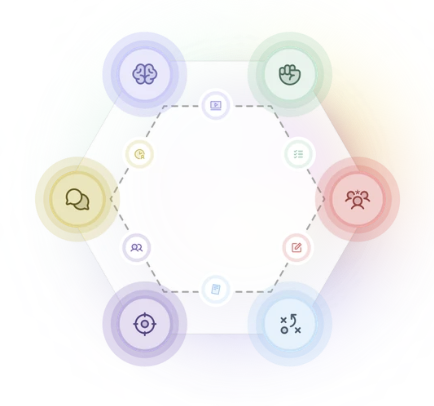
💡 The Six Levels Leadership Course will empower you to:
- Shift from tactical to strategic thinking effortlessly.
- Motivate and energize your team like never before.
- Champion innovation while driving impactful change.
- Master organizational dynamics with confidence.
- Achieve more—even with fewer resources.
Why wait to become the leader your team deserves?
➡️ Start transforming your leadership style today.
|
| LEARN MORE |
|
|
|
Liked this? Share it with a manager who needs it. |
|
|
|
P.S. We have a podcast!
Unicorn Leaders is a podcast for managers, entrepreneurs, and other leaders who have an insatiable curiosity for creating high-performing teams while leading unicorn start-ups. |
| LEARN MORE |
|
|
|
|
|
|
|
|